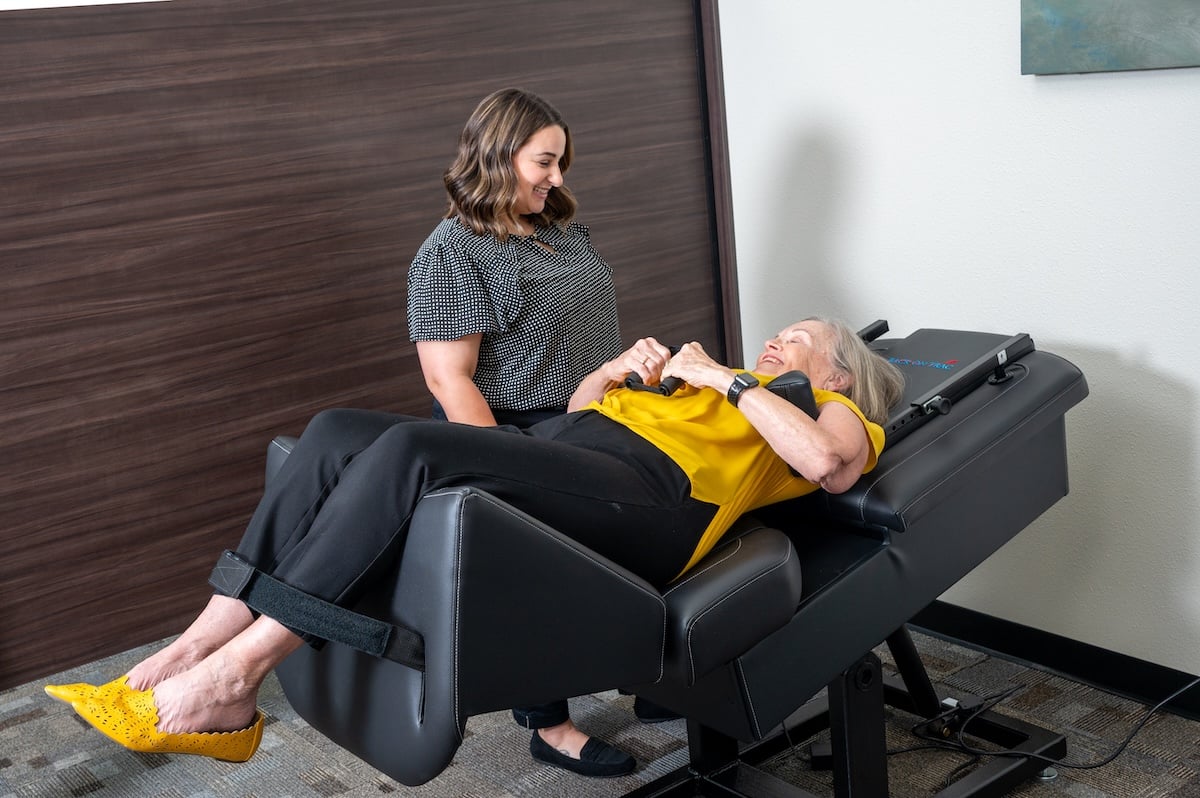
If you’ve ever experienced pain in your lower back or hip that travels down your leg, you’ve probably wondered if it’s sciatica. Although nerve pain that runs down your leg is relatively common, it’s not always caused by sciatica! In some cases, the real culprit is piriformis syndrome, a condition that closely resembles sciatica.
Because the symptoms are so similar, it can be hard to figure out what you’re actually dealing with. Both conditions can cause numbness, tingling, burning pain, and discomfort when sitting, walking, or moving. Learn more about the difference between sciatica and piriformis syndrome, as the source of pain differs, and how chiropractic treatments are used for both.
What Is Sciatica?
Sciatica refers to the irritation or compression of the sciatic nerve, which is the largest nerve in the body. It runs from the lower back, through the hips and buttocks, and down each leg.
Some people mistakenly believe that sciatica is a condition in itself, but it's actually a symptom caused by pressure on the nerve. When the sciatic nerve is stressed, it can lead to:
- Pain that worsens with prolonged sitting
- Numbness
- Tingling sensations
- Difficulty standing up comfortably
- Muscle weakness
Typically, the pain starts in the lower back and radiates into the buttocks and leg, and usually only affects one side of the body.
Common causes of sciatica include:
- Degenerative disc disease
- Herniated or bulging discs
- Spinal misalignment
- Lumbar spinal stenosis
- Pregnancy
- A tiny spinal stress fracture (isthmic spondylolisthesis)
Sciatic nerve pain can vary from mild discomfort to severe pain that disrupts daily activities. Even simple tasks like driving, working at a desk, or bending over can become painful.
What Is Piriformis Syndrome?
Piriformis syndrome involves the piriformis, a small muscle located deep in the buttocks. This muscle runs diagonally from the lower spine to the upper surface of the femur. It helps stabilize the hip while assisting with leg movement.
The sciatic nerve runs underneath and, in some cases, through the piriformis muscle. When the piriformis becomes tight, inflamed, or spasms, it can compress the sciatic nerve and lead to symptoms that may feel similar to sciatica.
Common causes of piriformis syndrome include:
- Overuse injuries
- Long periods of sitting
- Inflammation
- Certain sports that involve repetitive hip movement, such as running, cycling, soccer, and tennis
- Muscle imbalances
- Exercise-related strain
- Injury or trauma to the buttocks
Symptoms of piriformis syndrome often include:
- Lower back pain
- Buttock pain
- Pain radiating down the leg
- Tingling or numbness
- Discomfort while sitting
Just like sciatica, these symptoms range in severity depending on your level of activity.
Sciatica vs. Piriformis Syndrome: Key Differences
Since symptoms can feel almost identical, self-diagnosing can be tricky. However, some key differences may help you identify one condition from the other. Here’s a breakdown:
Sciatica
- Typically originates in the spine
- Pain is usually felt in the lower back and radiates down the legs
- Symptoms may worsen with bending or spinal movement
- Commonly linked to disc problems or spinal conditions
Piriformis Syndrome
- Begins in the piriformis muscle itself
- Pain is mainly felt in the buttocks and hip area, but can also be felt in the lower back
- Symptoms may worsen after prolonged sitting or extensive hip movements
- More related to muscle tension or overuse
Because the symptoms of these two conditions can closely resemble each other, being evaluated by a chiropractor is a good way to determine the true source of lower back and leg pain.
How Chiropractors Diagnose Your Lower Back and Leg Pain
Many people visit chiropractors seeking help with sciatica. At Village Chiropractic, we don’t just focus on where it hurts; we look deeper to figure out the true source of your pain.
Your chiropractic evaluation might include:
- A physical exam to understand where the pain is starting and other places you feel it
- Mobility testing
- Posture evaluation
- Discussion of symptom history and pain triggers
It’s important to get properly diagnosed and not treat the wrong condition. Otherwise, you might not get the long-term relief you need.
Chiropractic Care for Sciatica
When it comes to sciatica, chiropractic care focuses on taking pressure off the sciatic nerve and improving spinal function.
Depending on what’s causing the pain, treatment might include:
By improving spinal movement and easing nerve irritation, many patients find they have less pain and can move around better over time. Conservative approaches can also help patients avoid relying on too much medication for symptom relief.
Chiropractic Care for Piriformis Syndrome
For piriformis syndrome, the focus is usually on relieving muscle tension and improving flexibility.
Treatment options might involve:
Many people find that improving flexibility and reducing tension around the piriformis significantly helps. Massage can really ease tightness in the glutes and hips. At Village Chiropractic, you can take advantage of both chiropractic care and massage therapy to support your recovery.
When to Seek Treatment
If you have mild soreness, it might go away on its own with rest and time. But if the pain persists for more than a few days or interferes with your daily life, it’s a good idea to get checked out. Some warning signs to watch for include:
- Numbness or tingling
- Pain shooting down the leg
- Difficulty sitting comfortably
- Muscle weakness
- Frequent flare-ups
The sooner our team can determine what’s causing your discomfort, the sooner you can start feeling better!
Find Relief at Village Chiropractic in The Woodlands & Cypress
Talk with one of our chiropractors to help you determine if your pain is sciatica or piriformis syndrome. Because they can feel similar, pinpointing the root cause is key to effective treatment.
If you’re experiencing lower back, hip, or leg pain and aren’t sure what’s behind it, the Village Chiropractic team is ready to help you feel better. We’ll work together to identify the underlying cause of your discomfort and create a personalized plan that may include chiropractic care and massage therapy. Request an appointment at Village Chiropractic in The Woodlands or in Cypress.